How to prevent roof leaks during heavy rains
Discover effective strategies to prevent roof leaks during heavy rains in Spring, ensuring your home stays dry and protected.
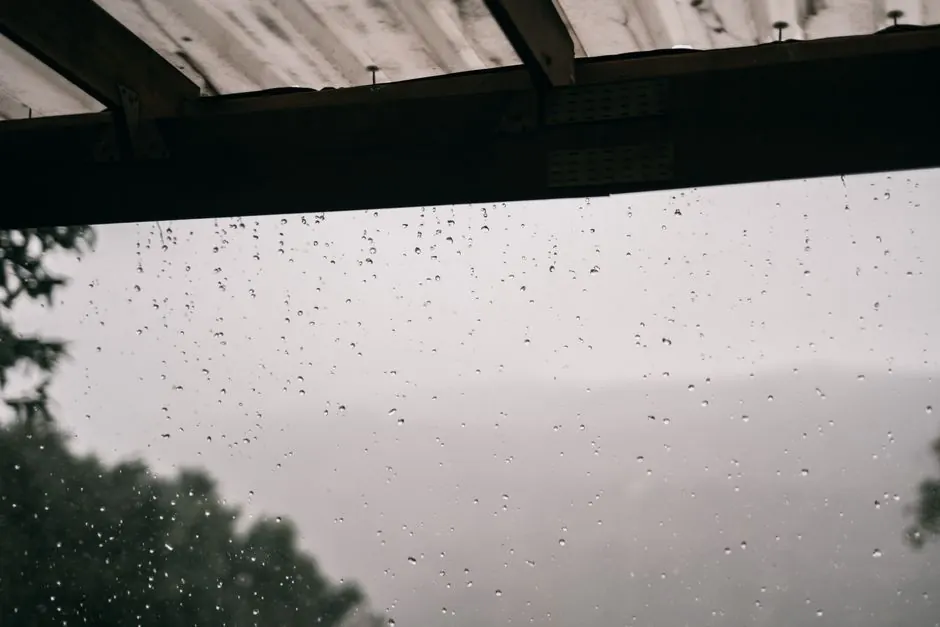
Preventing roof leaks during heavy rains is crucial for maintaining a safe and dry home. Effective measures include regular inspections, proper maintenance, and timely repairs. This guide will cover the causes of roof leaks, essential maintenance tips, and when to seek professional help in Spring, Texas.
How to prevent roof leaks during heavy rains is a proactive approach to safeguarding your home against water damage. By understanding the vulnerabilities of your roof and implementing preventative measures, you can significantly reduce the risk of leaks.
What causes roof leaks during heavy rains?
Roof leaks during heavy rains often result from various factors, including damaged shingles, clogged gutters, and improper flashing. In Spring, Texas, heavy rainfall can exacerbate these issues, leading to significant water intrusion if not addressed promptly.
How to protect your roof from rain damage in Spring
To effectively protect your roof from rain damage, consider the following strategies:
- Regular inspections: Conduct routine visual inspections of your roof, especially after storms. Look for missing or damaged shingles, cracks, or any signs of wear.
- Clean gutters: Ensure your gutters and downspouts are clear of debris. Clogged gutters can cause water to back up, leading to leaks.
- Maintain flashing: Check the flashing around chimneys, vents, and skylights. Damaged flashing can allow water to seep in, especially during heavy rains.
- Install a waterproof underlayment: If your roof is aging, consider adding a waterproof underlayment beneath your shingles to provide extra protection against leaks.
By implementing these preventative measures, homeowners in Spring can effectively prevent roof leaks Spring TX during heavy rains.
Roof maintenance tips for heavy rain in Spring
Proper roof maintenance is essential for preventing leaks during heavy rain. Here are some practical tips:
- Trim overhanging branches: Cut back any tree branches that hang over your roof. This prevents branches from damaging your roof during storms and reduces debris accumulation in gutters.
- Inspect and repair roof damage: Address any signs of damage immediately. Minor issues can escalate into major leaks if left unattended.
- Consider roof replacement: If your roof is over 20 years old, it may be time to consider a roof replacement Spring TX to ensure it can withstand heavy rains.
- Install roof vents: Proper ventilation helps reduce moisture buildup, which can lead to mold and leaks.
Regular maintenance can significantly enhance the durability of your roof and minimize the risk of leaks during heavy rain.
Common mistakes to avoid
Many homeowners make mistakes that increase the risk of roof leaks. Common errors include:
- Ignoring minor damage: Small issues can lead to bigger problems. Always address repairs promptly.
- Neglecting gutters: Failing to clean gutters regularly can lead to water backup and leaks.
- Using improper materials: Ensure that any roofing materials you use are suitable for your roof type and local weather conditions.
- Postponing inspections: Regular inspections can catch potential issues before they become severe.
By avoiding these mistakes, you can maintain a healthier roof and prevent leaks during heavy rains.
When to call a professional
Knowing when to call a professional is essential for effective roof maintenance. If you notice significant damage, water stains on ceilings, or persistent leaks, it's time to contact a roofing expert. Springs TX Roof Repair specializes in roof leak detection and repair Spring TX, ensuring your roof is in top condition before the next storm.
Frequently Asked Questions
What can I do to prevent roof leaks in Spring during heavy rains? Regular inspections, cleaning gutters, and maintaining flashing are crucial steps to prevent leaks.
How do heavy rains affect roofs in Spring? Heavy rains can exacerbate existing roof vulnerabilities, leading to leaks and water damage if not addressed.
What are the best roof types for heavy rain prevention in Spring? Roofs with steep slopes, such as metal or tile roofs, are generally better at preventing leaks during heavy rains.
How often should I inspect my roof? Inspect your roof at least twice a year and after any major storms to catch issues early.
Can I repair roof leaks myself? Minor repairs can be DIY, but significant leaks should be handled by professionals to ensure safety and effectiveness.